
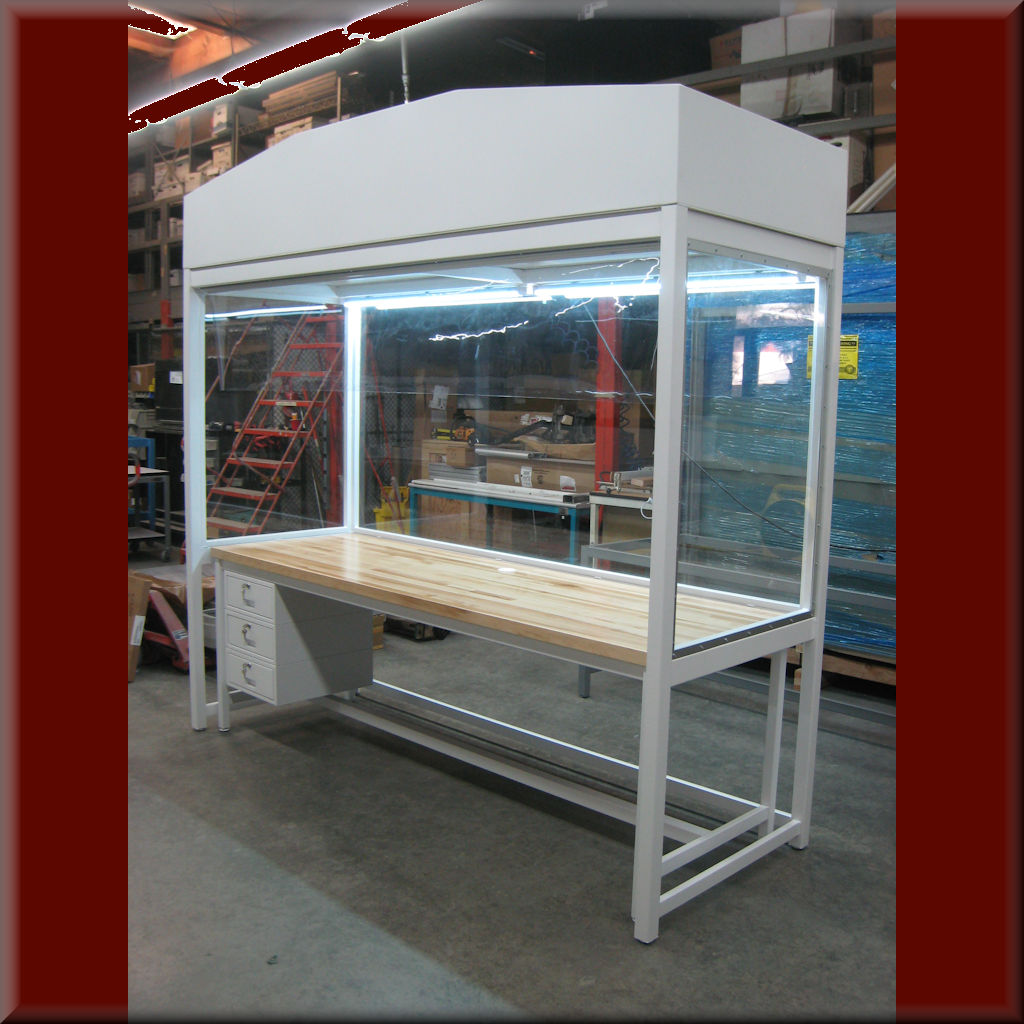
8-Point Checklist to Choose the Right Laminar Workstation for Your Lab
Picking a laminar workstation is about more than grabbing the cheapest model. You want equipment that fits your space, your budget, and your tasks. A laminar workstation should be capable of protecting samples and staff while fitting into daily routines. Think about airflow, filters, and how the unit will actually be used on a bench. Take the time now to avoid costly mistakes later.
- Budget—What You Can Spend vs. What You Need
Set a clear budget. Include installation and filters in that number. Low-cost units exist, but they may mean more upkeep. Balance the upfront price with running costs. Remember, cheaper upfront often means higher expense over time.
- Airflow direction—horizontal or vertical
Decide which direction matches your tasks. Horizontal flow pushes air across the work surface toward the operator. Vertical flow sends air down from above and out below. Match the flow to how you work with samples and how you want contaminants to move.
- Filter Class—HEPA vs. ULPA and Lifespan
Check filter ratings. HEPA filters trap most particles. ULPA captures even smaller ones. Look at filter life and replacement cost. Some units make filter swaps easy. Cheap filters can underperform. Don’t assume all HEPA filters are equal, and always compare specs.
- Size—Work Area and Room Fit
Try to measure twice. Make sure the work area fits tools, trays, and the operator’s arms. Also check overall unit depth and height so it doesn’t crowd aisles or block service panels. Bigger isn’t always better if it limits workflow or access.
- Mobility—Fixed Bench or on Wheels
Think about how often you will move the unit. Wheels can assist if you rearrange benches or need to clear space. Fixed setups are more stable and may offer better sealing. If you choose mobile, ensure casters lock securely and wiring won’t tangle when moved.
- ESD Options—Static Control for Sensitive Work
If you handle static-sensitive materials or electronics, pick a unit with ESD-safe surfaces and grounding points. Static can ruin experiments or parts. Look for conductive work surfaces and easy grounding checks. A small cost up front can save sensitive items later.
- Noise—Operator Comfort and Concentration
Check decibel ratings. Loud fans will annoy staff and make prolonged work uncomfortable. Some units list sound levels at different fan speeds. Lower noise usually costs more, but it often improves productivity and operator satisfaction.
- Serviceability—Filters, Fans, and Parts Access
Ask about how easy routine checks and repairs are. Can you reach the fan and motor without uninstalling the whole unit? Are spare parts readily available? Look for units with clear service intervals and local service partners. Fast repairs cut downtime.
Aftercare and Training
Maintenance keeps a laminar workstation reliable and prevents surprises. The team should schedule filter inspections and fan checks on a regular calendar and record each action in a simple log. Train staff to notice airflow shifts, unusual sounds, or warning lights that indicate service is needed. Store common spare parts like prefilters and fasteners nearby to reduce downtime.
When a technician arrives, clear the area and hand over the service log so repairs go faster. Consistent upkeep protects experiments from contamination and avoids costly emergency repairs. Budget a modest yearly maintenance fund to cover parts, labor, and unexpected needs.
Final Thoughts
Choosing the right laminar workstation comes down to matching features with real needs. Focus on practical details—airflow, filters, size, mobility, ESD, noise, service, and the budget that fits all of that. Once you narrow choices, consult a supplier or technician for measurements and safety checks. For final selection and installation, seek professional help.